
Grant Award: $50,000
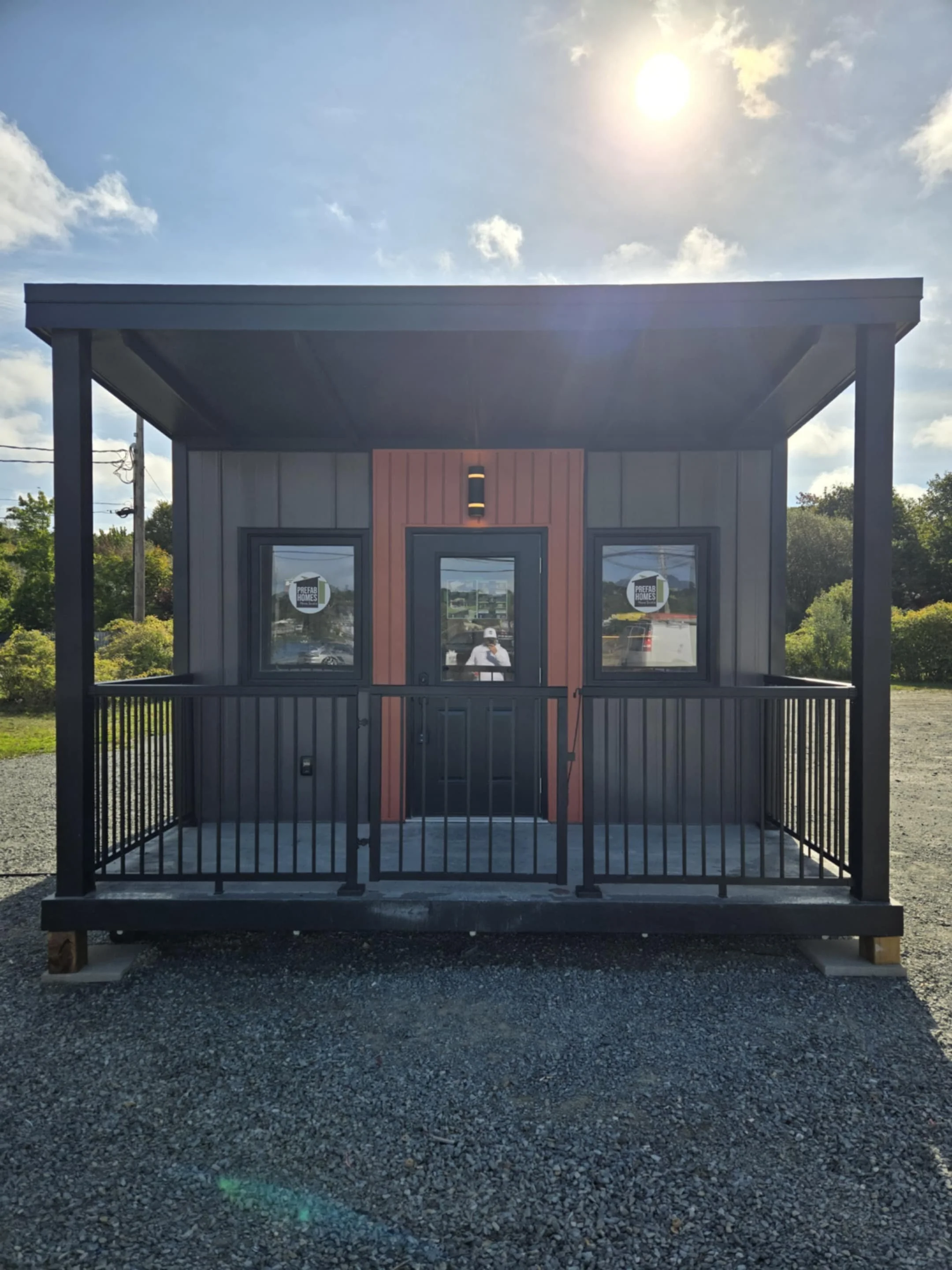
A model suite at 291 Prince Albert Rd in Dartmouth.
Nova Scotia is facing two urgent challenges at once: the need for more housing and the need to reduce the environmental impact of how that housing is built. JD Composites is working at the intersection of both through Prefab Homes Nova Scotia, a project focused on moving recycled plastic composite housing systems from prototype development toward mass-production readiness.
JD Composites’ approach began with a question: could materials and manufacturing methods used in the marine industry be adapted to build stronger, more efficient homes? The company saw that advanced composite panels, designed to perform in demanding environments, could also help address common challenges in housing construction, including moisture damage, long-term maintenance, material waste, and energy loss.
At the centre of the project are structural insulated panels made from recycled PET plastic bottles. These panels form the walls, roof, and floor assemblies of a home, creating a continuous, highly insulated building envelope. By using recycled plastic as a building material, JD Composites is also giving waste plastic a longer-term use in durable housing components rather than lower-value or short-term products.
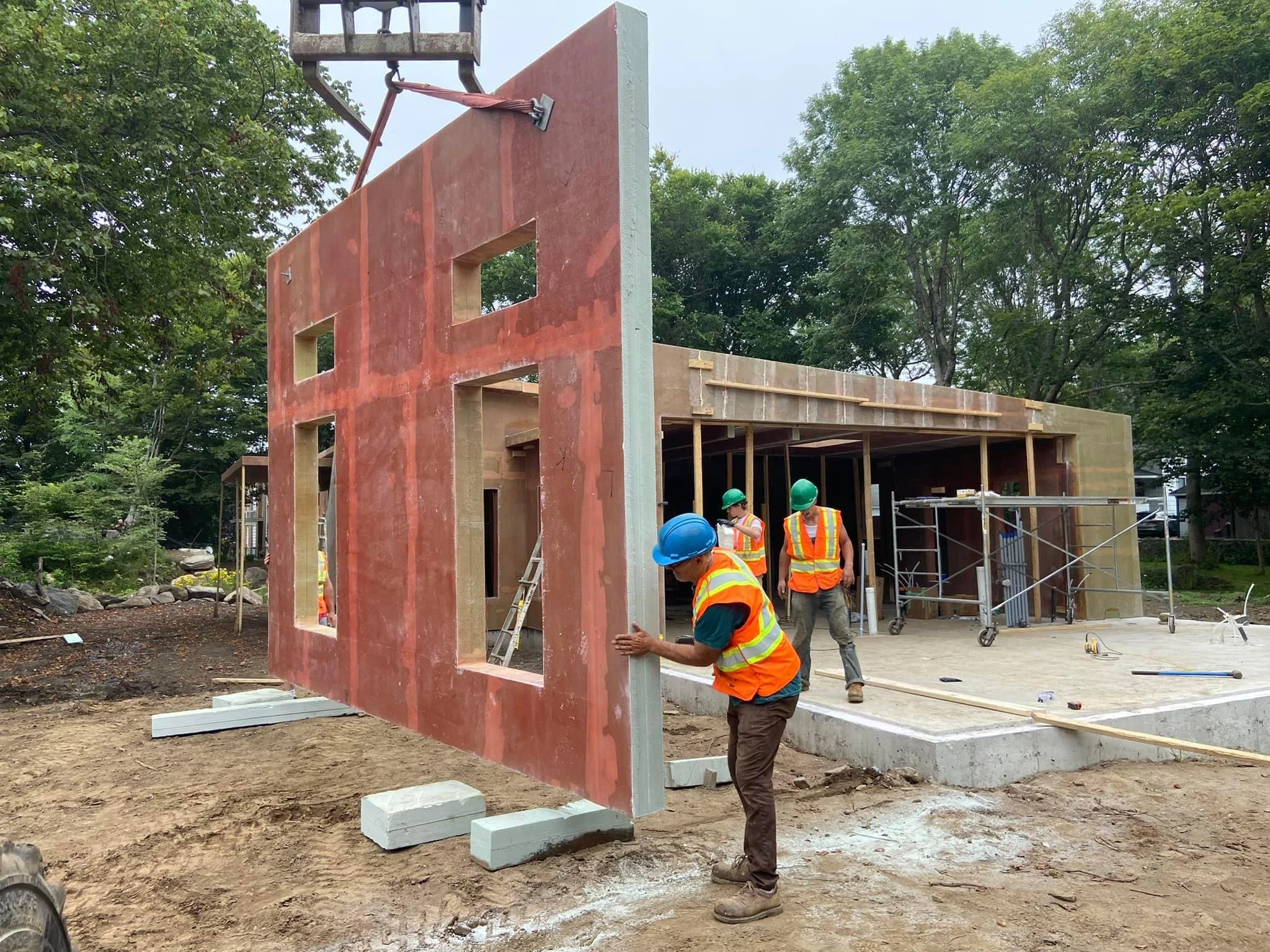
The environmental benefits are significant. Each home built with JD Composites’ technology is estimated to divert approximately 450,000 PET bottles from landfill and reduce embodied emissions by about 37 tonnes of CO₂e compared to standard modular construction. The homes are also designed to reduce thermal bridging and improve energy efficiency, helping lower operating emissions over the life of the building.
With support from HCi3, JD Composites is working on the technical and financial planning needed to scale this model. This includes refining manufacturing processes, equipment layouts, tooling requirements, workflow design, staffing needs, and cost models. The goal is to create a repeatable production approach that can be integrated into existing modular housing lines.
Partnerships are central to this work. The Shaw Group brings experience in industrial manufacturing, construction materials, logistics, and large-scale operations, helping JD Composites assess how the technology could be scaled responsibly within Atlantic Canada.
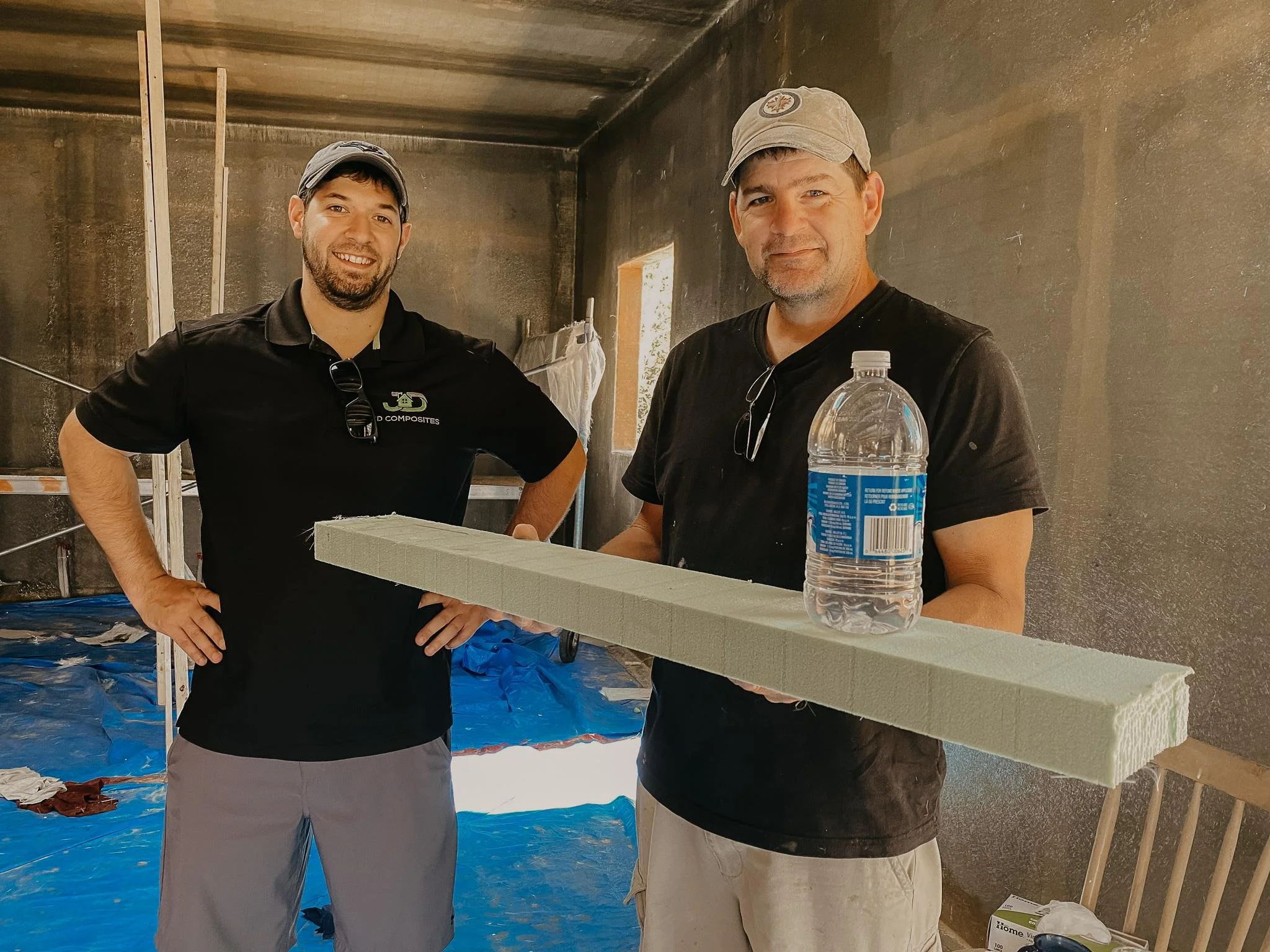
The project is still in a planning and validation phase, but progress is underway. JD Composites has advanced its manufacturing scale-up strategy, refined its commercialization roadmap, continued engineering work on the panel system, developed preliminary financial and investment models, and engaged potential industry and housing partners. The company has also secured additional support from the Atlantic Canada Opportunities Agency to advance modern methods of construction for housing in Atlantic Canada.
Scaling a new building technology is not simple. The construction industry is cautious by nature, especially when new materials or manufacturing methods are introduced. JD Composites has identified the need for continued validation, education, engineering review, and performance documentation to build confidence in the system. There are also practical challenges related to equipment planning, workforce development, supply chains, capital investment, and aligning production timelines with housing demand.
Still, the project is moving at a time when interest in modular construction and low-carbon manufacturing is growing. By developing a model that combines recycled materials, advanced manufacturing, and housing delivery, JD Composites is contributing to a broader conversation about what the future of construction could look like in Nova Scotia.
The long-term goal is not just to build one type of home, but to establish a scalable manufacturing platform that can support faster, more predictable, and lower-carbon housing production. If successful, Prefab Homes Nova Scotia could help strengthen local manufacturing capacity, support circular economy practices, and create a model that can be replicated by other modular builders in the province and beyond.