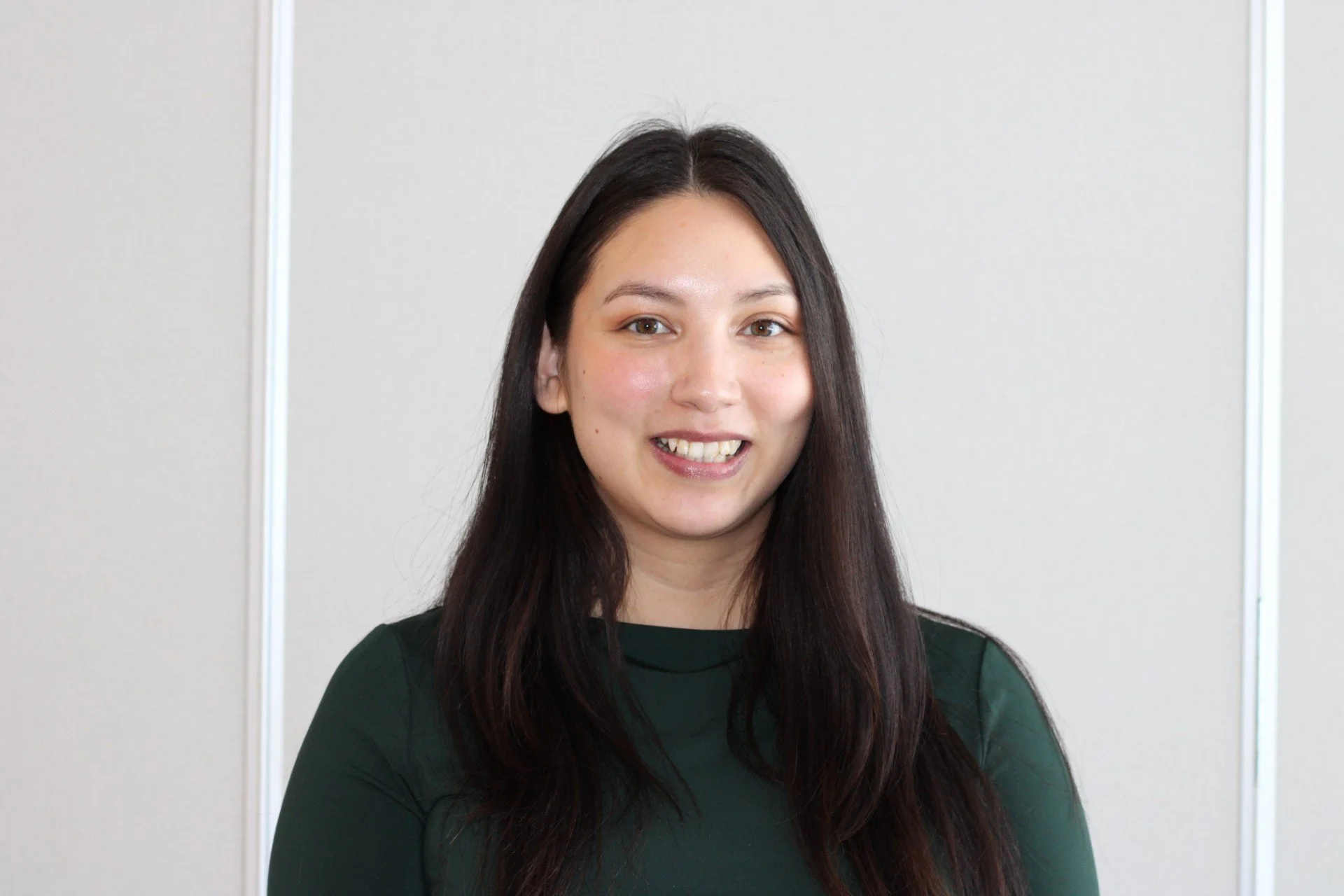
As Mi’kmaw History Month encourages us to reflect on the individuals and groups helping shape more resilient and sustainable communities, it’s also an opportunity to celebrate Mi’kmaw leadership in the clean energy transition. We chatted with Farrah Stevens (Pictou Landing First Nation), Renewable Energy Project Coordinator with the Confederacy of Mi’kmaw Nations and a partner in the Clean Energy and Equity Network, about the value of linking climate action and community well-being. From creating pathways into clean energy careers to building energy sovereignty and supporting healthier communities, Farrah discussed why equity must be part of the conversation at every step along the path.
Q: Can you tell us a little about yourself and how you became involved in this work?
Farrah Stevens: I’ve always been interested in environmental issues, and the role clean energy can play in creating healthier communities. Growing up, I saw the impacts that pollution and environmental degradation can have on people’s lives, and that stayed with me.
What drew me to this work is the opportunity to make a tangible difference. Clean energy isn’t just about reducing emissions. It’s about creating opportunities, supporting community well-being, and helping communities become more self-sufficient and resilient.
Q: For those who may not be familiar with it, what is the Clean Energy and Equity Network?
Farrah Stevens: The network focuses on building capacity in clean energy within Indigenous and African Nova Scotian communities. A big part of our work is connecting people with resources, training opportunities, employment pathways, and information about clean energy.
We also spend a lot of time on outreach and education. The clean energy sector is growing quickly, but many people don’t realize how many opportunities exist within it. We want people, particularly youth and young adults, to see themselves in this field and understand that there are different avenues and career paths to get involved in the clean energy sector.
Q: What does the “equity” piece of clean energy mean to you?
Farrah Stevens: Equity means making sure the benefits of the clean energy transition are shared broadly and that communities aren’t left behind.
We try to meet people where they are and focus on the things that matter most in their daily lives. That might mean talking about lower energy costs, healthier homes, employment opportunities, or community economic development. Clean energy can create positive change in many ways, but people need access to information and opportunities if they are going to benefit from it.
Q: How do Mi’kmaw values influence the way you approach this work?
Farrah Stevens: Relationships are at the heart of everything we do. Building trust, listening, and creating space for meaningful conversations are all incredibly important.
The concept of Two-Eyed Seeing also plays a role. It encourages us to draw on both Indigenous knowledge and Western approaches, recognizing that each offers valuable perspectives. Many of the ideas behind energy efficiency and sustainability align closely with traditional teachings about respecting resources and taking only what we need.
Q: Can you share an example of how the network is making a difference?
Farrah Stevens: One of our biggest strengths is bringing people together. Through the network, organizations can share information, collaborate, and connect communities with opportunities that they might not otherwise hear about.
We’ve hosted community events, shared information about training and funding programs, and helped create connections between organizations working toward similar goals. Sometimes the most valuable impact is simply helping people navigate a sector that can feel complicated or intimidating.
Q: Why is it important to recognize Indigenous leadership in climate action and clean energy during Mi’kmaw History Month?
Farrah Stevens: Indigenous communities have long been stewards of the environment, and today we’re seeing that leadership reflected in clean energy projects and climate action initiatives across Mi’kma’ki.
These projects aren’t just about energy. They’re about sovereignty, economic development, and creating opportunities for future generations. Indigenous communities bring valuable knowledge, experience, and perspectives to the conversation, and those contributions deserve recognition.
Q: What gives you hope when you think about the future of clean energy in Mi’kma’ki?
Farrah Stevens: What gives me hope is seeing more people become engaged and excited about the possibilities.
We know the challenges posed by climate change are significant, but we’re also seeing communities take action, build partnerships, and create solutions that work for their unique circumstances. There’s a lot of innovation happening, and more communities are finding ways to participate and lead.
For me, it’s really about creating healthier, more sustainable communities for future generations. That’s what motivates me and gives me hope.
Q: What has been the most rewarding part of this work for you?
Farrah Stevens: Helping people connect with opportunities has been incredibly rewarding. Whether it’s a training program, a new partnership, or simply helping someone understand a different career path, it’s exciting to see those connections happen.
I also find it inspiring to see the momentum building across the clean energy sector. There are so many people doing important work, and it’s encouraging to watch communities take ownership of their energy future and help shape what comes next.