
Shared Electric Vehicles at Apartment Buildings
Grant award: $37,500
EV4U is piloting a new approach to carsharing by placing electric vehicles directly at apartment buildings, making low-carbon transportation more accessible to residents who may not be able to afford to own an electric car. With support from HCi3, the project has partnered with Killam Properties to station two shared EVs at apartment complexes in Halifax, where residents can rent them for short trips at affordable rates.
The model is designed with both climate and community in mind. By sharing a single vehicle, as many as nine households can reduce the need for additional car ownership, lowering both manufacturing impacts and greenhouse gas emissions. Each trip in an EV also cuts emissions in half compared to a gas-powered vehicle, which will continue to improve as Nova Scotia brings online more renewable energy. At the same time, having a shared resource in the building gives neighbours a reason to connect, creating opportunities for community interaction.
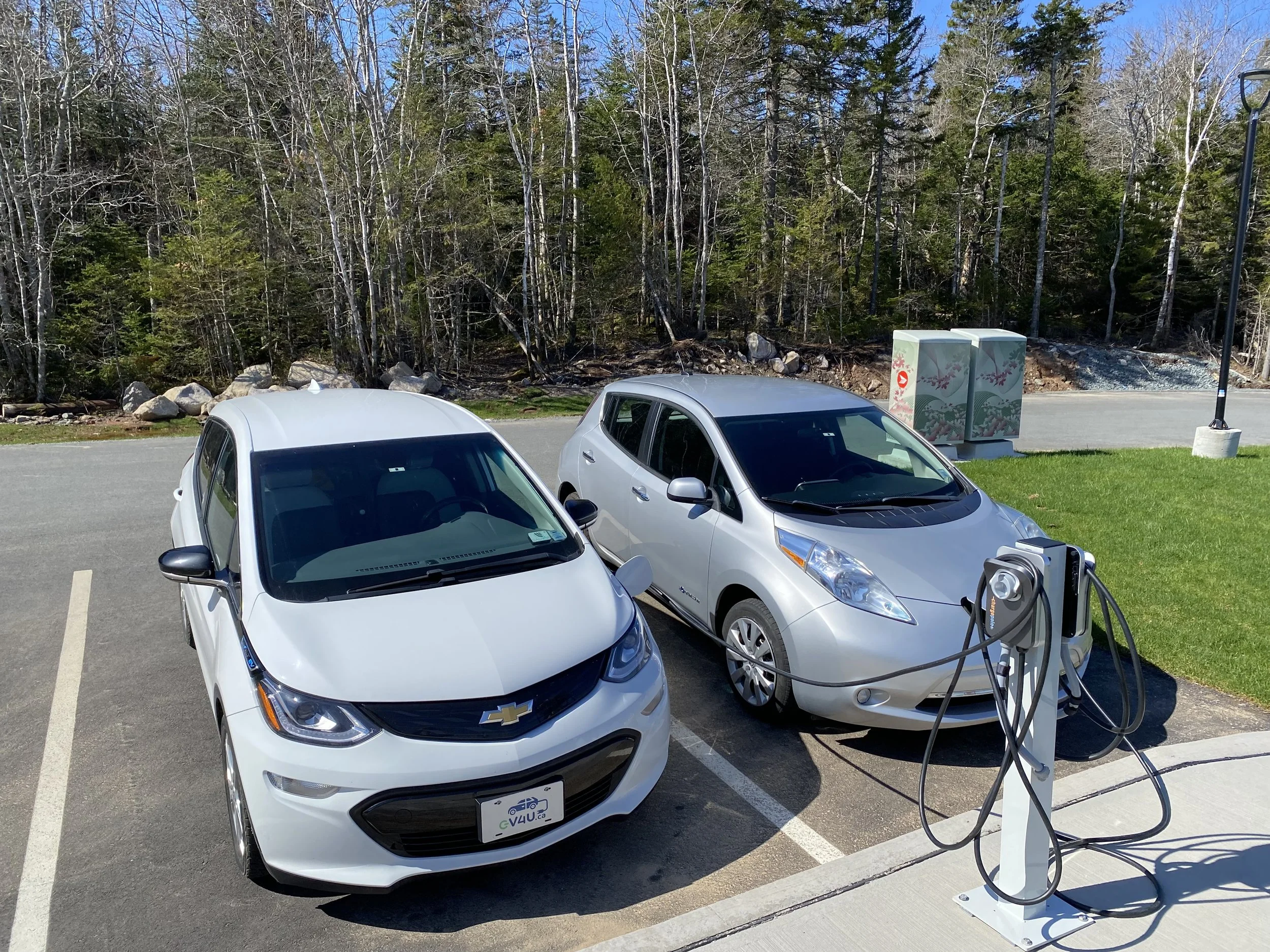
Affordability and access are central to the project. Rentals are offered at $12 an hour or $60 a day, with no membership fee, making EVs available to households that might otherwise be excluded. For many users, it has been their first time driving an electric car. To ease the learning curve, EV4U produced simple instructional videos and enlisted property managers as local “ambassadors” who help with vehicle care and show residents how the system works.
The pilot has been especially focused on supporting African Nova Scotian and Mi’kmaq communities. EV4U has engaged with Akoma Holdings in Cherry Brook, as well as Bear River and Acadia First Nations, to explore how shared EVs and charging stations could fit into broader sustainability plans. In communities where public transit is limited and car ownership can be a financial barrier, access to a shared EV can make a significant difference, from getting children to summer camps to providing reliable transport to jobs or everyday errands.
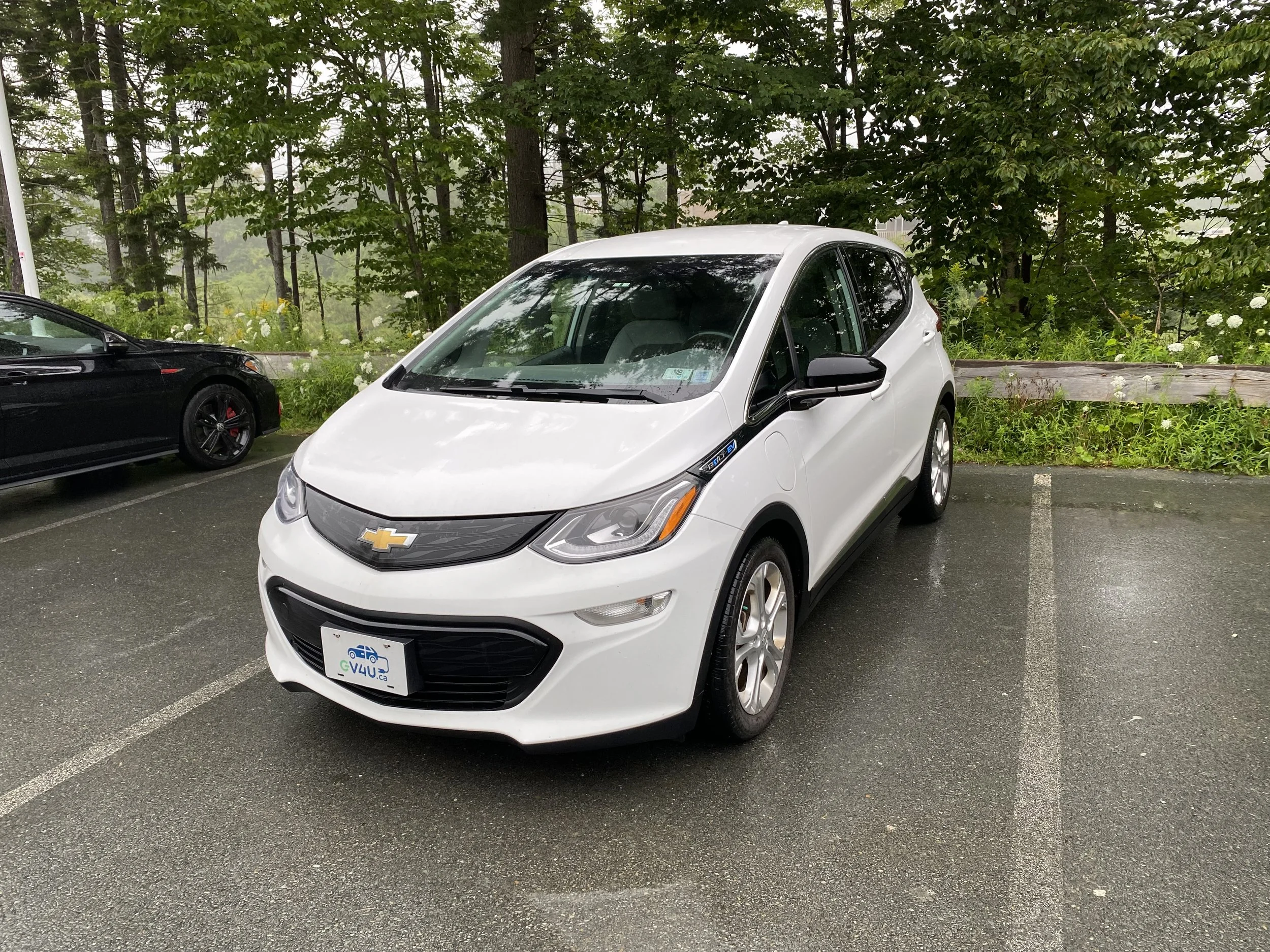
Usage so far shows strong demand. The first vehicle is consistently booked several times a day, with residents using it for everything from grocery trips to visits to Kejimkujik National Park. A second vehicle has now been added to meet demand. “One of the best signs of success is that the cars are so often in use,” says project lead Wayne Groszko.
While the concept is proving popular, the project faces a major barrier: insurance. At $15,000 per car annually, insurance costs far outstrip what the vehicles can generate in revenue, despite steady use. EV4U is working with the Canadian Carsharing Cooperative, larger operators like Communauto, and other partners to explore solutions, including more scalable insurance models.
Looking ahead, Wayne envisions scaling through replication rather than centralization. By sharing lessons learned and offering a platform to other groups, EV4U hopes to see the model adopted in more apartment buildings and communities across Canada. Interest is already growing, with community organizations like Hope Blooms expressing interest in hosting a shared EV.
For now, the pilot continues to demonstrate that shared EVs can reduce emissions, expand access to clean transportation, and strengthen community ties, all while testing the practical steps needed to make this model sustainable in the long term.